Service
A structured look at how you stand, sit and move, and how it may relate to your pain.
We’re closed right now. WhatsApp us and we’ll reply when we open.
- Registered Chiropractor 註冊脊醫
- Doctor of Chiropractic D’Youville College, USA
- Whampoa & Hung Hom Near Whampoa MTR
Overview
A posture analysis is a structured look at how your body is aligned and how you move, from the position of your head and shoulders to your spine, hips, knees and feet.
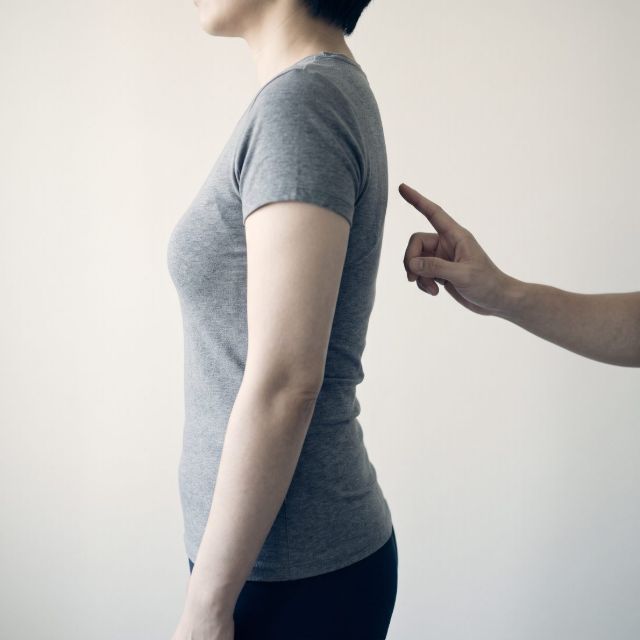
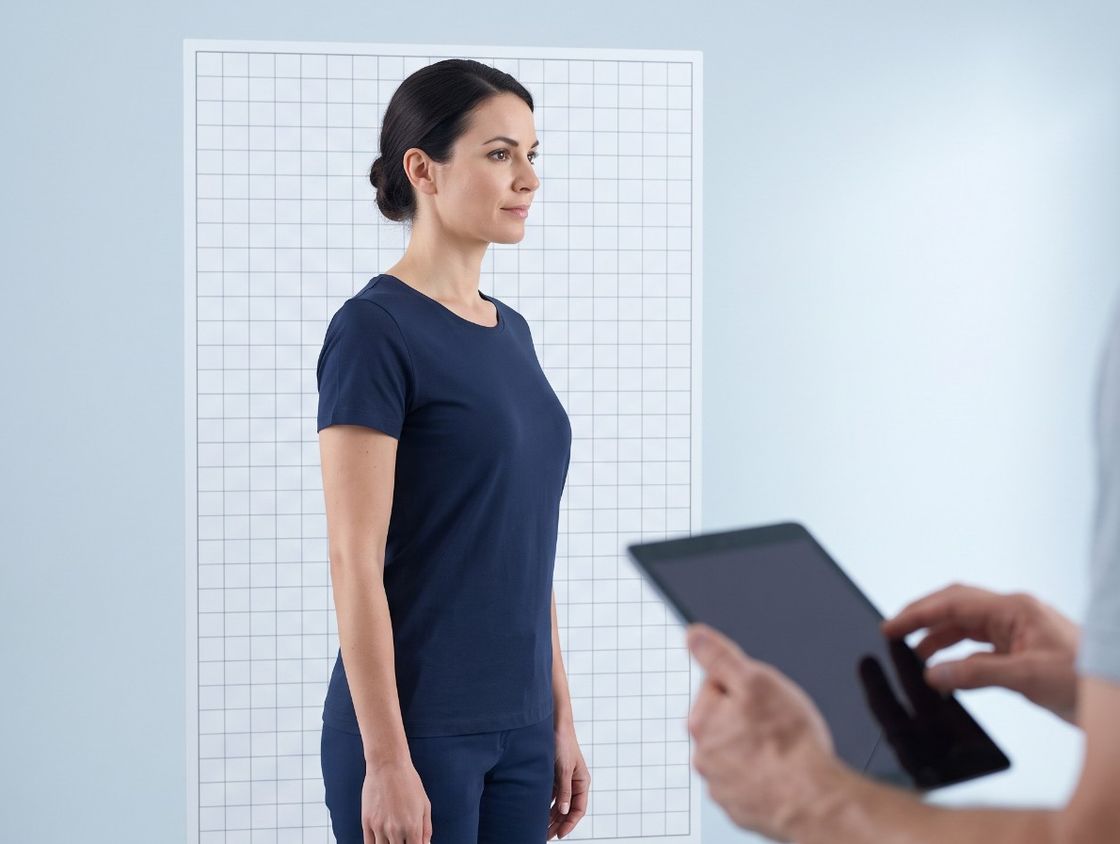
Dr. Ho looks at how you stand from the front, the side and behind, how you sit, and how you move through simple tests such as bending, turning, squatting and balancing. Photos against a grid can record your posture, so changes can be compared over time.
Posture is rarely the only cause of pain, and there is no single "perfect" posture. The aim is to find the habits, stiff areas and weak areas that may be adding to your symptoms, and to turn them into practical changes and exercises.
Who it’s for
Dr. Ho checks whether it is suitable for you at your first visit.
It may suit people with
- Neck, shoulder or back pain linked to desk work, screens or driving
- A forward head posture, rounded shoulders or a dowager’s hump
- Recurring headaches that start in the neck
- Scoliosis, to record shoulder, waist and trunk symmetry between X-ray checks
- Active people and athletes who want to look at how they move
It isn’t the right first step if you have
- Pain after a fall or an injury, which needs examining for damage first
- Warning signs such as numbness, weakness, fever or unexplained weight loss
- A suspected curve in a growing child, which needs an X-ray to measure
In these cases, Dr. Ho examines you first, and refers you to a doctor or for imaging where needed.
What to expect
General information only — your exact treatment is set after an in-person assessment.
Your history: Your symptoms, work and desk set-up, phone use, sleep, sport and exercise habits.
Standing and sitting: Your posture is checked from the front, the side and behind, and may be photographed against a grid.
Movement tests: Simple tests of bending, turning, squatting and balance show where movement is stiff, weak or uneven.
Your plan: Dr. Ho explains the findings and what they may mean for your symptoms, with exercises and practical changes to your desk, phone use and daily routine.
A follow-up check after a few weeks shows what has changed and whether your exercises need progressing.
Good to know
It is a starting point for change, not a diagnosis on its own.
What it may help with
- Shows habits, stiff areas and weak areas that may add to your symptoms
- Gives you a clear, practical plan for your desk set-up, phone use and exercises
- Records your posture, so changes can be compared over time
What it can’t do
- It can’t diagnose the cause of pain by itself; that needs a full examination
- It can’t measure a scoliosis curve; that needs an X-ray
- It won’t change your posture without your exercises and changes to habits
Commonly used for
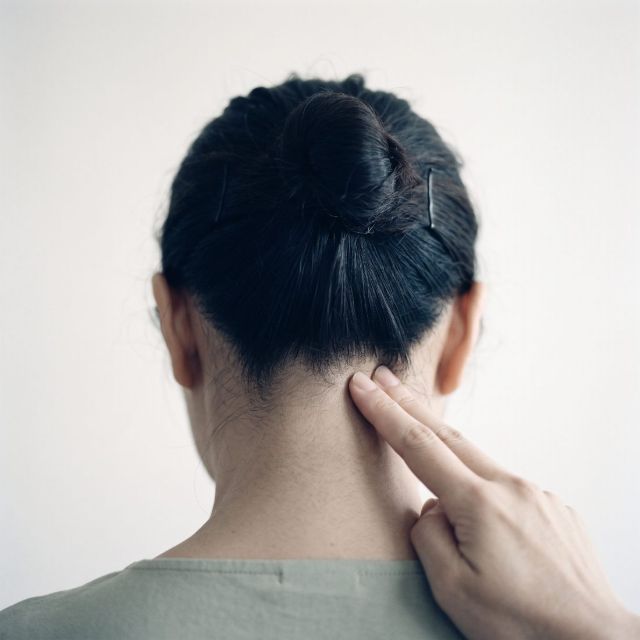
Neck Pain
Stiffness and pain often linked to desk work and posture.Read more
Headaches & Migraines
Recurring headaches linked to neck and upper spine tension.Read more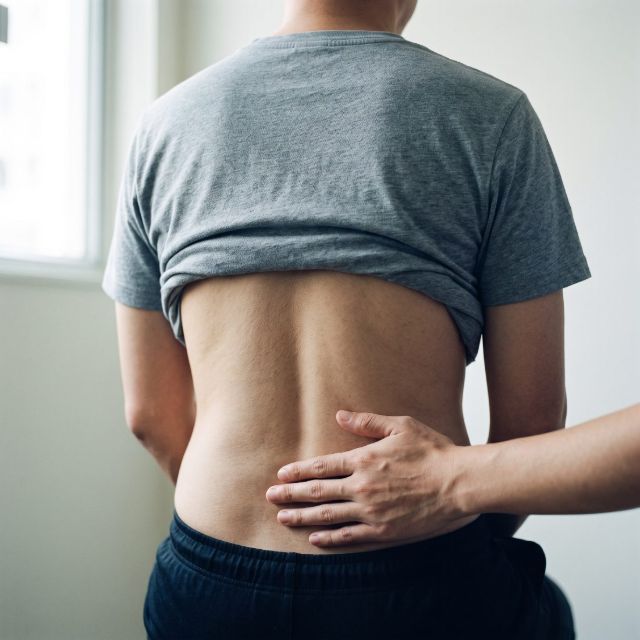
Lower Back Pain
Dull, sharp, or radiating pain in the lumbar spine.Read more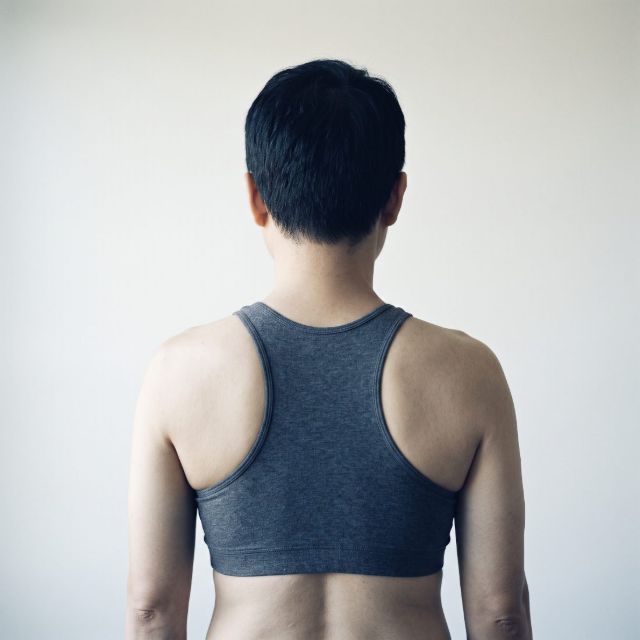
Scoliosis
Sideways curvature of the spine, at any age.Read more
Posture & Sports Injuries
Postural imbalance and injuries from training or sport.Read more
FAQ
Posture can add to neck, shoulder and back pain, especially when you hold one position for long periods, but it is rarely the only cause. A posture analysis is combined with an examination to find what is driving your symptoms.
There is no single perfect posture. Comfortable, varied positions and regular movement matter more than holding one "correct" position all day.
Not for a posture analysis. X-rays are needed only for specific reasons, such as measuring a scoliosis curve or checking for injury, and Dr. Ho will refer you if so.
It is usually done as part of an assessment visit. Our team can tell you how long to allow when you book.
Comfortable clothes you can move in, such as a fitted T-shirt with shorts or leggings, so your posture and movement are easy to see.
Habits can, and stiffness and strength often improve with regular exercise, which may ease symptoms. The shape of your bones doesn’t change, but how you hold and move your body can.
Message us on WhatsApp, or book a consultation to find out if this is right for you.