Condition
Postural imbalance and injuries from training or sport.
We’re closed right now. WhatsApp us and we’ll reply when we open.
- Registered Chiropractor 註冊脊醫
- Doctor of Chiropractic D’Youville College, USA
- Whampoa & Hung Hom Near Whampoa MTR
Overview
From desk-bound posture to acute sports injuries, this category covers the everyday strains and impacts that affect how the spine and joints move and feel.
The right approach depends heavily on the specific injury or postural pattern, so assessment always comes first.
Common symptoms
- Rounded shoulders or forward head posture
- Muscle imbalance or asymmetry
- Pain or swelling following a specific incident
- Reduced strength or stability after injury
- Recurring strain in the same area during activity
Possible causes
- Prolonged sitting and screen-based work
- Inadequate warm-up before sport or training
- Repetitive movement patterns in a single sport
- Sudden increases in training load or intensity
- Previous injuries that didn’t fully rehabilitate
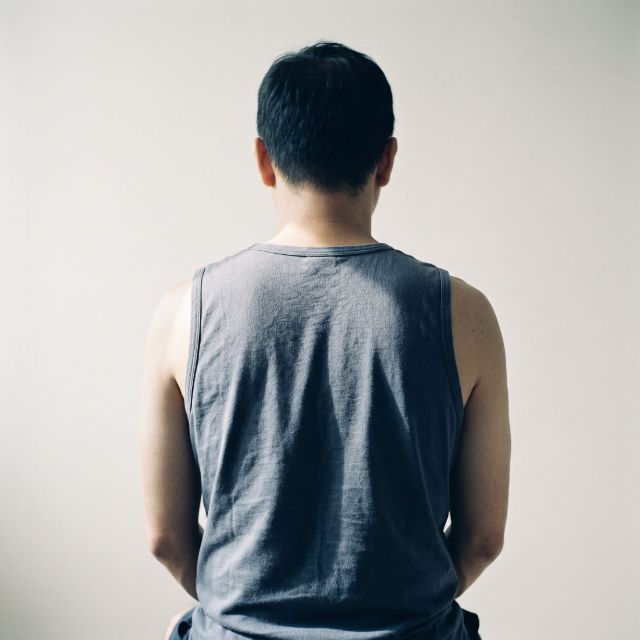
Common posture problems
Everyone’s posture is a little different, and an imperfect posture isn’t always a problem. These patterns are worth having checked when they come with pain, stiffness or recurring strain.
Hunched or rounded upper back
- What you may notice
- Rounded shoulders, a head that sits forward, and stiffness or aching between the shoulder blades, often after long hours at a desk or on a phone.
- What may help
- Upper back mobility and strengthening exercises, a better screen set-up and regular breaks. A curve that increases quickly needs a doctor’s check.
Forward head posture
- What you may notice
- The head sits ahead of the shoulders, with tension at the base of the skull and across the shoulders, and sometimes headaches or a dowager’s hump.
- What may help
- Chin-tuck and neck strengthening exercises, keeping screens at eye level, and getting up from your desk regularly.
Anterior pelvic tilt
- What you may notice
- A deep curve in the lower back and a stomach that pushes forward, often with tight hips from long sitting. Some tilt is normal; it matters mainly when it comes with back pain.
- What may help
- Stretches for the front of the hips, strengthening for the buttock and stomach muscles, and breaks from sitting.
Uneven legs (leg length difference)
- What you may notice
- One hip or shoulder sits higher, or shoes wear unevenly. Often the legs are the same length and the difference comes from the pelvis, tight muscles or foot posture.
- What may help
- An assessment to tell an apparent difference from a true one. Exercises may help an apparent difference; a heel lift or orthotics may help a true one.
Further reading: Dowager’s hump, Upper back pain, Scoliosis, Custom orthotics.

Our approach
General information only — your plan is set after an in-person assessment.
- 01
Assess
Assess posture, movement patterns and injury history
- 02
Treat
Hands-on treatment for the affected area
- 03
Correct
Corrective exercises to address imbalances
- 04
Prevent
Guidance on training load and injury prevention
When to seek urgent medical care
- Visible deformity, or inability to bear weight after injury
- Significant swelling, bruising or loss of sensation
- Pain that doesn’t improve, or worsens, after a few days of rest
This page is general information, not a diagnosis. If any of the above apply to you, seek medical attention promptly.
Sports injuries
Each has its own guide: what it is, how to check it, and when to get help.
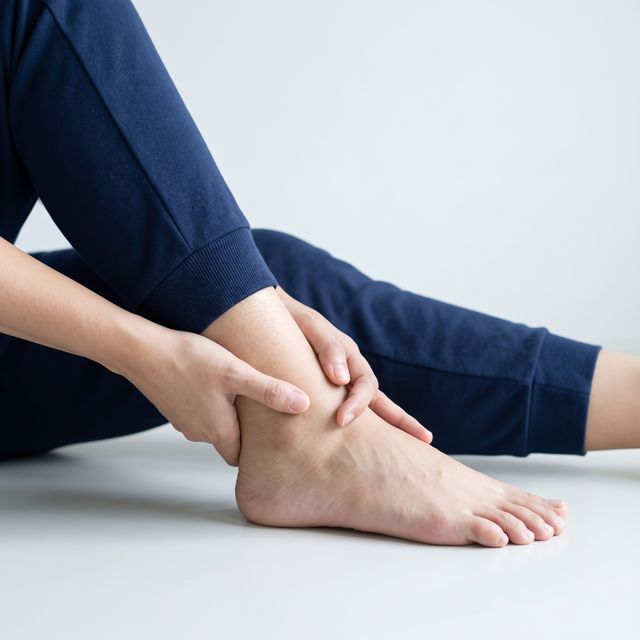
Ankle Sprain
Pain and swelling on the outside of the ankle after rolling it.Read more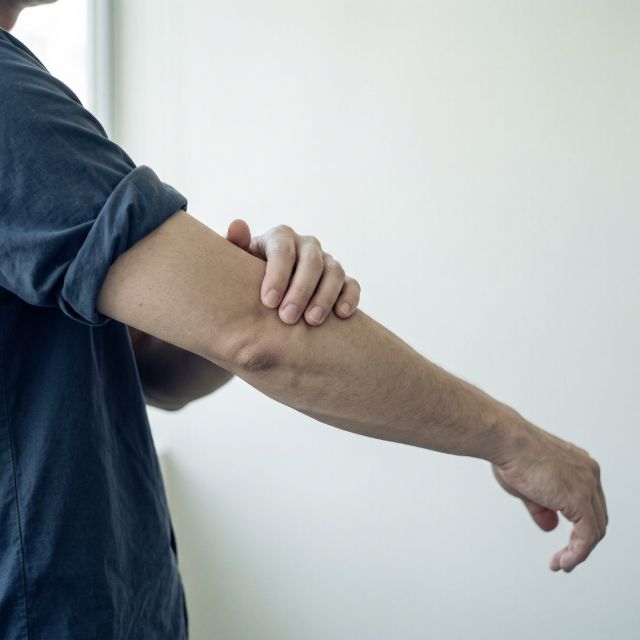
Tennis Elbow
Pain and tenderness on the outside of the elbow.Read more
Knee Pain
Aching, swelling, or stiffness in and around the knee joint.Read more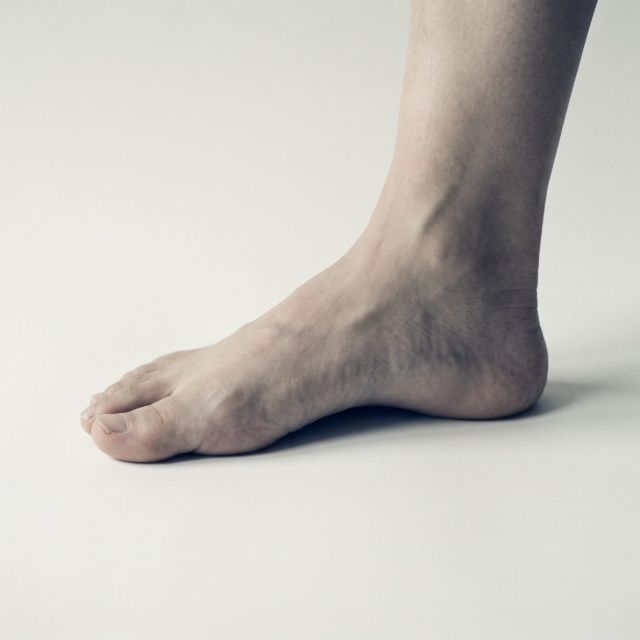
Plantar Fasciitis
Sharp heel pain, often worst with your first steps in the morning.Read more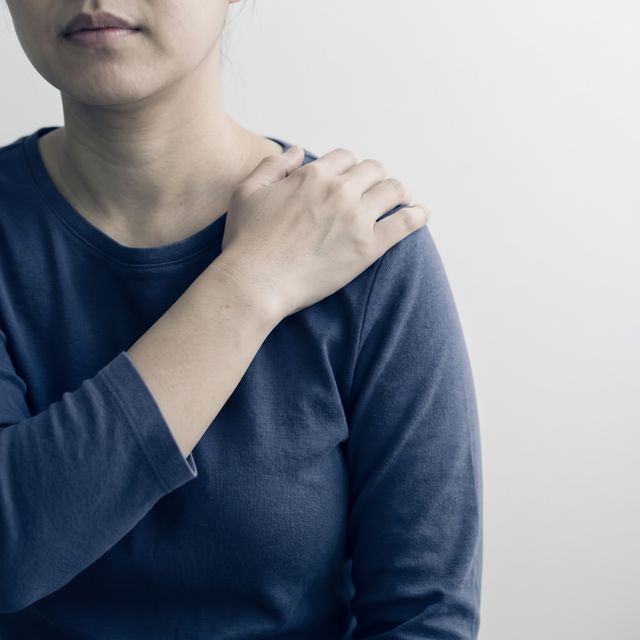
Shoulder Pain
Pain when lifting or reaching, often from the rotator cuff tendons.Read more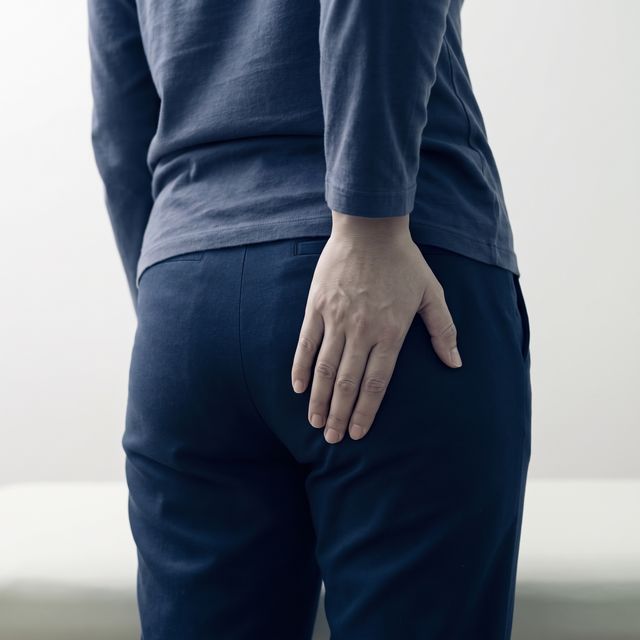
Piriformis Syndrome
Deep buttock pain that can spread down the back of the leg.Read more
Book a consultation with Dr. Ho, or message us on WhatsApp with any questions first.