Condition
Numbness or tingling in the hand, from the neck, elbow or wrist.
We’re closed right now. WhatsApp us and we’ll reply when we open.
- Registered Chiropractor 註冊脊醫
- Doctor of Chiropractic D’Youville College, USA
- Whampoa & Hung Hom Near Whampoa MTR
Numbness, tingling or pins and needles in the hand usually comes from a nerve being squeezed or irritated somewhere along its path from the neck to the fingers. The most common places are the wrist (carpal tunnel syndrome), the inner elbow and the neck. Which fingers are affected, and when it happens, often point to the cause. Sometimes the cause lies in the body as a whole, such as diabetes or a vitamin deficiency. Numbness that comes on suddenly on one side of the body, especially with weakness, a drooping face or trouble speaking, may be a stroke: call 999 immediately.
Key points
- Numbness in the thumb, index and middle fingers often comes from the wrist; in the ring and little fingers, from the elbow.
- Numbness down one arm with neck pain may come from a nerve in the neck.
- Numbness in both hands and both feet suggests a whole-body cause, such as diabetes, and needs a doctor.
- Sudden numbness or weakness on one side, a drooping face or slurred speech: call 999.
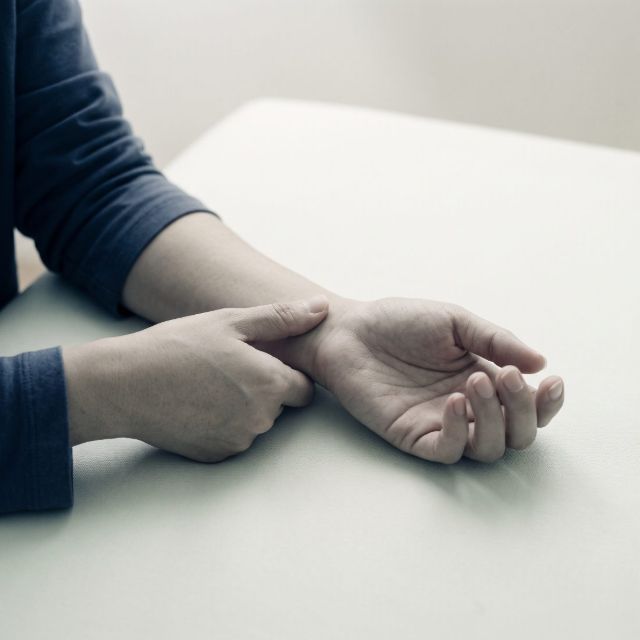
Three main nerves supply the hand. The median nerve passes through the carpal tunnel at the wrist and carries feeling from the thumb, index and middle fingers and half of the ring finger. The ulnar nerve runs around the inner elbow, the “funny bone”, and carries feeling from the little finger and the other half of the ring finger. The radial nerve supplies the back of the hand. All three begin as nerve roots in the neck.
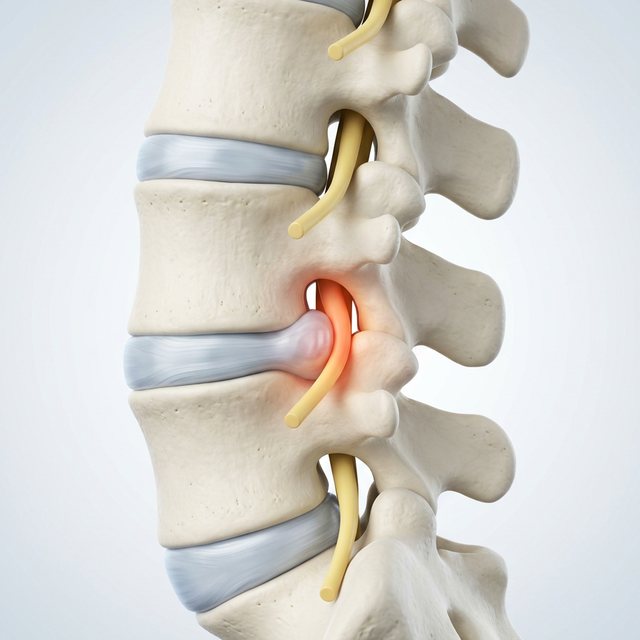
A nerve can be squeezed or irritated anywhere along this path: in the neck, where a disc bulge or bony narrowing can pinch a nerve root; at the inner elbow, especially when the elbow stays bent for long periods; or at the wrist. Numbness can also come from the nerves in general, as in diabetes or low vitamin B12, from simple pressure, such as sleeping on an arm, and rarely from the brain, as in a stroke.
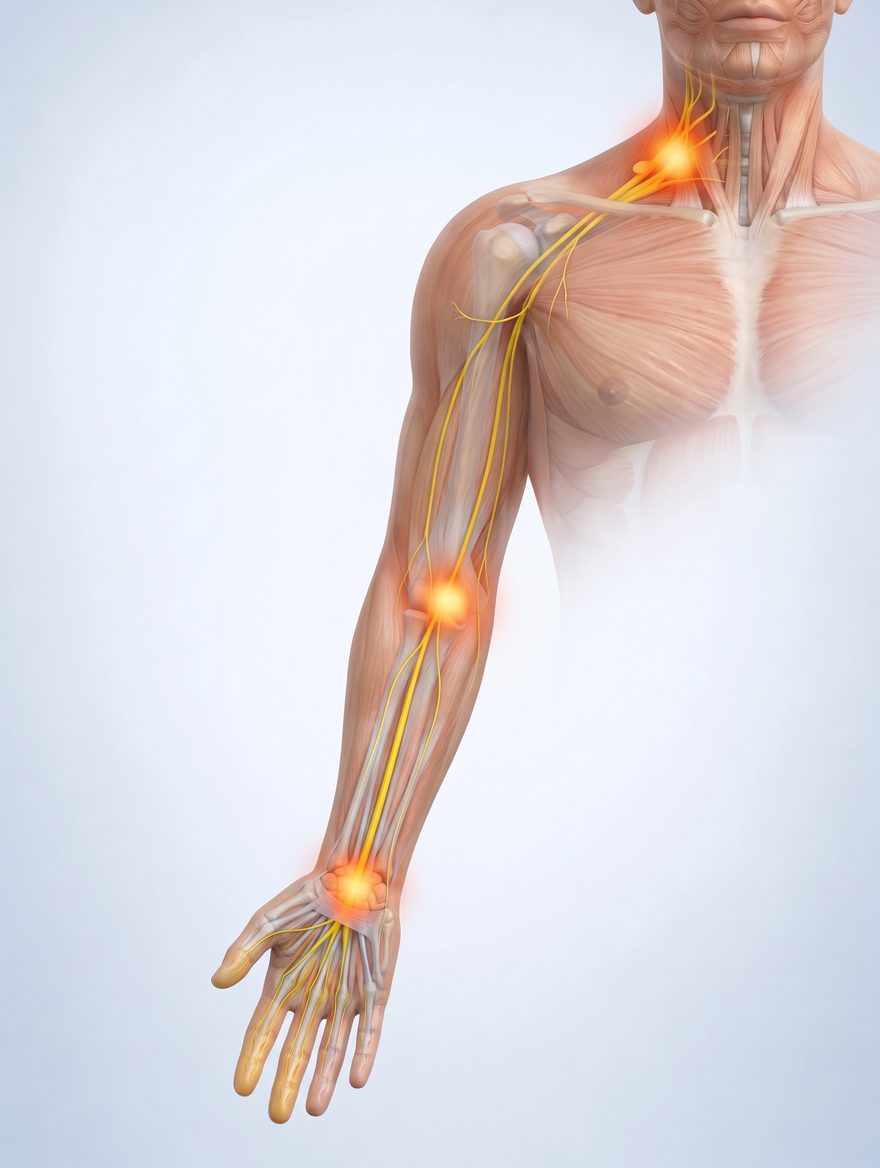
How the numbness feels, which fingers it affects and when it happens are the most useful clues.
Common symptoms
- Pins and needles, tingling or burning in the fingers
- Numbness, often worse at night or on waking
- Clumsiness, or dropping things
- Weakness when gripping or pinching
- Pain in the neck, shoulder blade or arm alongside the numbness
Patterns that point to the cause
Where the numbness is often suggests where the nerve is being affected:
- Thumb, index and middle fingersOften the median nerve at the wrist (carpal tunnel syndrome), typically worse at night or when holding a phone or steering wheel.
- Ring and little fingersOften the ulnar nerve at the elbow, typically worse with the elbow bent, for example on the phone or in bed.
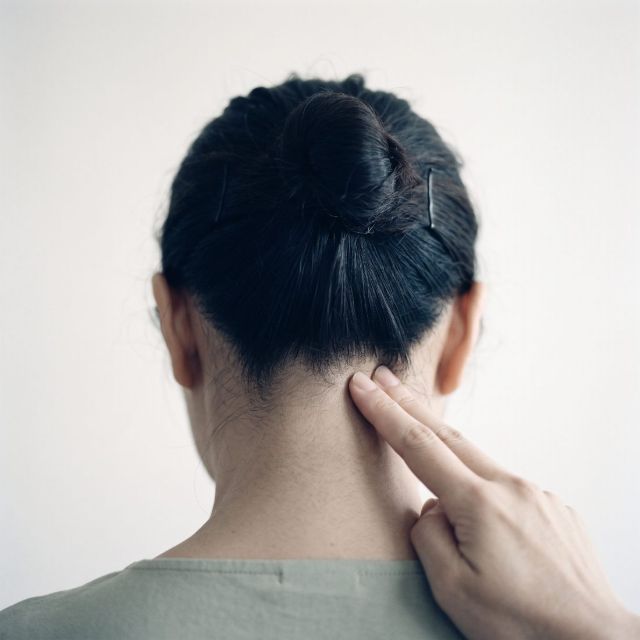
- One arm, in a band, with neck painOften a nerve root in the neck, sometimes with pain around the shoulder blade or down the arm.
Numbness in both hands and both feet, in a glove-and-stocking pattern, suggests a whole-body cause and should be checked by a doctor.
Hand numbness usually comes from pressure on a nerve, but general health matters too.
- Repeated or sustained wrist bending, forceful gripping or vibrating tools
- Keeping the elbows bent for long periods, or leaning on them
- Neck problems, such as a disc bulge or age-related narrowing around a nerve root
- Pregnancy, which often causes temporary carpal tunnel symptoms
- Diabetes, thyroid problems, low vitamin B12 and heavy alcohol use
- Sleeping with the arms bent or under the head or pillow
Carpal tunnel syndrome is the most common cause of numbness in the hand.
These two checks can help narrow down where the numbness is coming from. They can’t confirm a diagnosis. Stop if either causes sharp pain, or makes your symptoms worse and they don’t settle quickly.
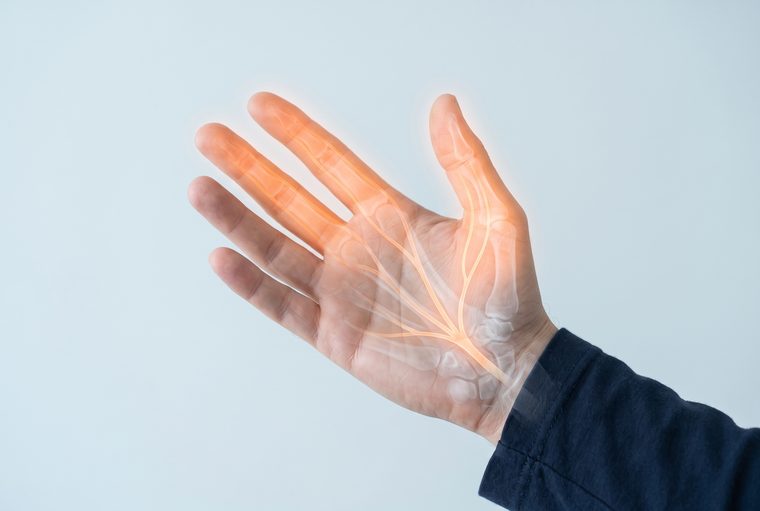
Finger map
Note exactly which fingers are numb. The thumb, index and middle fingers and half of the ring finger point to the wrist; the little finger and the other half of the ring finger point to the elbow; a band down one arm, or numbness beyond these areas, points to the neck or elsewhere.
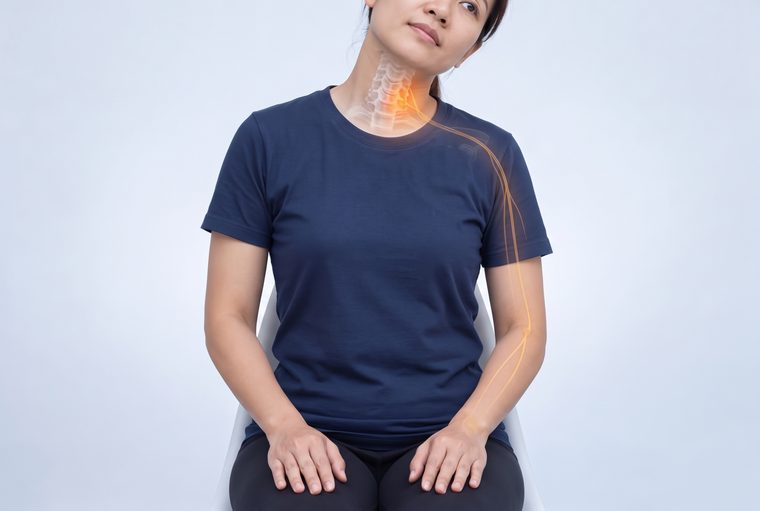
Neck movement check
Sit upright and slowly tilt and turn your head towards the side of the numbness, then look up a little and hold for a few seconds. If this brings on or increases the tingling down your arm, a nerve in the neck may be involved. Don’t press on your head, and stop if it causes sharp pain.
Both checks give a first indication only. Numbness that lasts, keeps coming back, or comes with weakness should be assessed.
Several conditions cause numb or tingling hands, and more than one can be present at the same time.
Carpal tunnel syndrome (wrist)
- Where it is usually felt
- The thumb, index and middle fingers and half of the ring finger
- Other clues
- Worse at night; shaking the hand helps; clumsiness
Ulnar nerve at the elbow
- Where it is usually felt
- The little finger and half of the ring finger
- Other clues
- Worse with the elbow bent; aching on the inner elbow
Nerve root in the neck
- Where it is usually felt
- One arm, in a band, often to particular fingers
- Other clues
- Neck or shoulder-blade pain; changes with neck movement
Whole-body causes
- Where it is usually felt
- Both hands, often both feet too
- Other clues
- Diabetes, thyroid problems, low vitamin B12 or alcohol; slowly spreading
Stroke
- Where it is usually felt
- One side of the body, often the face and arm
- Other clues
- Sudden onset with weakness, a drooping face or slurred speech; call 999
Numbness in both hands together with clumsiness, unsteady walking or bladder or bowel problems can mean pressure on the spinal cord in the neck, which needs urgent medical assessment.
Further reading: Carpal tunnel syndrome, Neck pain.
Hand numbness is diagnosed from your history and an examination of the neck, arm and hand; tests are sometimes needed.
Your history: Which fingers are affected, when it happens, what brings it on, and your general health, including diabetes, thyroid problems and any medicines.
Physical examination: Checking the neck and arm, and testing sensation, strength and reflexes in the arm and hand, with specific tests at the wrist and elbow.
Further tests: Depending on the findings, nerve conduction studies, blood tests or an MRI scan of the neck may be needed. Dr. Ho will refer you to a doctor if a medical cause or significant nerve compression is suspected.
Treatment depends on where the nerve is being affected and why. Many cases caused by pressure on a nerve improve with changes to posture, sleeping position and activities, together with targeted treatment.
Non-surgical treatment
- Changing positions and habits: Avoiding long periods with the wrists or elbows bent, not leaning on the elbows, and adjusting your desk and phone use.
- Night splints: A splint that keeps the wrist straight at night often helps carpal tunnel symptoms; an elbow pad, or a towel wrapped loosely around the elbow, may help ulnar nerve symptoms.
- Neck care: For symptoms from a nerve in the neck, hands-on treatment, neck exercises and posture changes may help ease symptoms in some people.
- Nerve and tendon gliding exercises: Gentle exercises that help the nerves and tendons move freely may ease symptoms for some people.
- Soft tissue treatment: Easing tight muscles in the neck, shoulder and forearm may help reduce irritation along the nerve’s path.
Treatment prescribed by a doctor
- Medication, an injection or tests: Underlying conditions such as diabetes, thyroid problems or low vitamin B12 are treated by a doctor. A steroid injection may be used for carpal tunnel syndrome.
Surgery
- Releasing the trapped nerve: Considered when there is constant numbness, weakness or muscle wasting, or when other treatment hasn’t helped, for example carpal tunnel release, or neck surgery for a compressed nerve.

Dr. Ho first checks for signs that need urgent medical attention, then works out where the nerve is being affected and plans treatment based on the findings. General information only — your plan is set after an in-person assessment.
- 01
Assess
Checking the neck, shoulder, elbow and wrist, and testing sensation, strength and reflexes to find the likely source.
- 02
Treat
Hands-on treatment for the neck and upper back where suitable, soft tissue care, and advice on splints, posture and sleeping position.
- 03
Rebuild
Exercises for the neck and arm, including gentle nerve gliding, built up to suit your work and daily activities.
- 04
Refer
If a medical cause, significant nerve compression or pressure on the spinal cord is suspected, you will be referred to a doctor for tests.
Many cases of hand numbness are linked to positions held for long periods, so small changes to daily habits help.
- Keep your wrists straight when typing and using a mouse, with your forearms supported.
- Avoid leaning on your elbows, and don’t keep them tightly bent for long periods.
- Use a headset or speaker for long calls rather than holding the phone with a bent elbow.
- Take regular breaks from gripping, vibrating tools and repetitive hand work.
- Sleep with your arms by your sides rather than bent under your head or pillow.
- Keep diabetes and other health conditions well controlled, and have regular check-ups.

When to seek medical attention promptly
Seek medical attention promptly if any of the following apply:
- Sudden numbness or weakness on one side, a drooping face, or slurred speech: call 999
- Numbness after a neck injury, a fall or an accident
- Both hands affected, with clumsiness, unsteady walking or leg symptoms
- Problems controlling the bladder or bowels
- Weakness that keeps getting worse, or wasting of the hand muscles
- A cold, pale or blue hand or fingers
The most common reason is carpal tunnel syndrome: the wrist often bends during sleep, which increases the pressure on the median nerve. Sleeping with the elbows bent can do the same to the ulnar nerve. A wrist splint and a change of sleeping position often help.
Yes. A nerve root in the neck can be pinched by a disc bulge or by bony narrowing, causing numbness, tingling or pain down one arm, often to particular fingers. Pain in the neck or around the shoulder blade often comes with it.
If numbness or weakness comes on suddenly on one side of the body, or with a drooping face or slurred speech, call 999 immediately, as it may be a stroke. Numbness in both hands with unsteady walking or bladder problems also needs urgent medical assessment.
It can be. Diabetes can damage the nerves, usually starting in the feet and later affecting the hands, and people with diabetes are also more likely to develop carpal tunnel syndrome. If you have numbness in both hands or both feet, see a doctor for a check-up.
Numbness from pressure on a nerve often improves once the pressure is reduced, especially when it is dealt with early. Constant numbness or weakness should be assessed promptly, as long-standing pressure can cause lasting nerve damage.
That depends on your policy terms. Cover for outpatient care, imaging, surgery and chiropractic treatment varies between policies, so check with your insurer before your visit. We are happy to provide receipts to support your claim.
Disclaimer
This page is general information only, not a diagnosis or treatment advice. If you have any symptoms, please consult a qualified healthcare professional.
Further reading
These public health pages cover the same condition in more depth.
- NHS: Pins and needles
Book a consultation with Dr. Ho, or message us on WhatsApp with any questions first.