Service
Hands-on and instrument-assisted work to address muscle and fascial tightness.
We’re closed right now. WhatsApp us and we’ll reply when we open.
- Registered Chiropractor 註冊脊醫
- Doctor of Chiropractic D’Youville College, USA
- Whampoa & Hung Hom Near Whampoa MTR
Overview
Soft tissue care treats tight, tender or restricted muscles, tendons and fascia, the connective tissue that wraps around them, using the hands or specialised instruments.
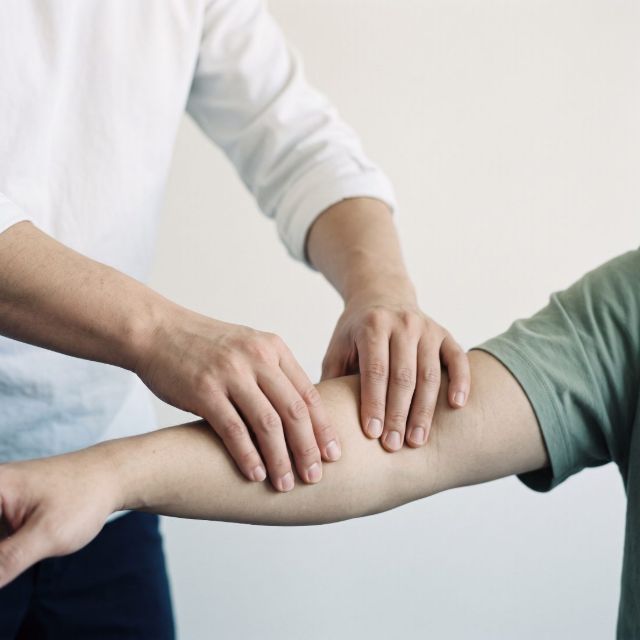
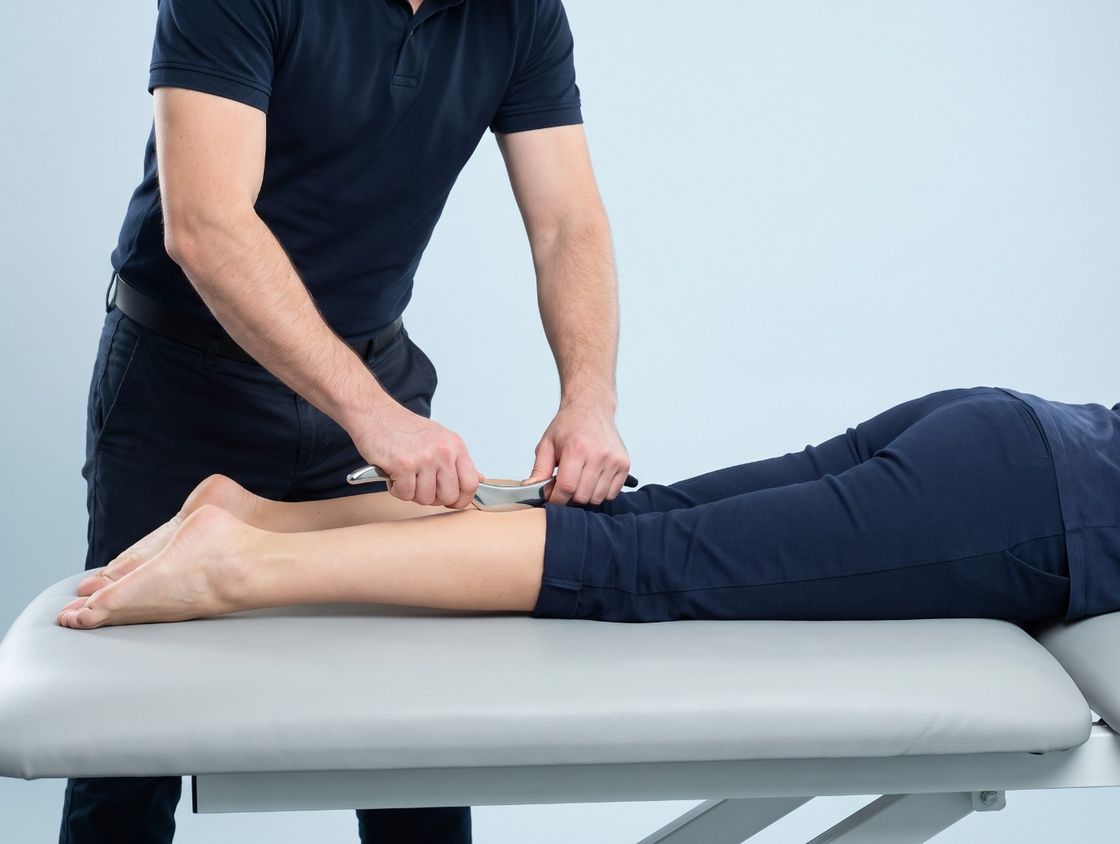
Hands-on techniques include sustained pressure over tender points, stretching and massage-like strokes along the muscle. Instrument-assisted work uses smooth, curved stainless steel tools, including those of the Graston Technique, glided over the skin to find and treat areas that feel thickened or restricted.
The aim is to ease pain and help the tissues move and glide more freely, so that exercise and everyday movement become easier. It is often combined with adjustments, joint mobilisation and exercise in the same visit, rather than used on its own.
Who it’s for
Dr. Ho checks whether it is suitable for you at your first visit.
It may suit people with
- Tight, tender muscles in the neck, shoulders, back or hips
- Tendon problems such as tennis elbow and plantar fasciitis, alongside exercise
- Stiffness and restricted movement after an injury, once the early healing phase has passed
- Muscle tension linked to desk work, sport or stress
- Back or neck pain, alongside adjustments and exercise
It may not be suitable, or needs extra care, if you have
- Blood-thinning medication or a bleeding disorder, especially for instrument work
- Open wounds, skin infections, rashes or fragile skin in the area
- A recent fracture, or a possible blood clot, such as a painful, swollen, warm calf
- Varicose veins or reduced feeling in the area to be treated
- A tumour, or cancer treatment affecting the area
Tell Dr. Ho about any medicines and health conditions, so techniques can be adapted or avoided as needed.
What to expect
General information only — your exact treatment is set after an in-person assessment.
Assessment: Dr. Ho checks how you move and which muscles and tissues are tight or tender, and how they relate to your symptoms.
Treatment: Pressure, stretching and strokes by hand, or a stainless steel instrument glided over the skin with a little lotion. The pressure is adjusted to your comfort.
Combined care: It is often followed by joint mobilisation, adjustments or exercises, so the extra movement is put to use straight away.
Afterwards: Mild redness or soreness, like after a workout, is common for a day or two. Gentle movement and your exercises help.
How often you need it depends on your condition. It is usually part of a short course that tapers off as your exercises take over.
Good to know
Soft tissue care is most useful for making movement and exercise easier, rather than as a fix on its own.
What it may help with
- May ease muscle tension and pain in the short term
- May help tight tissues move more freely, making exercise easier
- Can be combined with adjustments and exercise in the same visit
What it can’t do
- Its effects are usually short-lived unless combined with exercise and changes to activity
- It doesn’t replace strengthening, or changes to the activities that caused the problem
- It isn’t used over injured, infected or fragile skin
Commonly used for
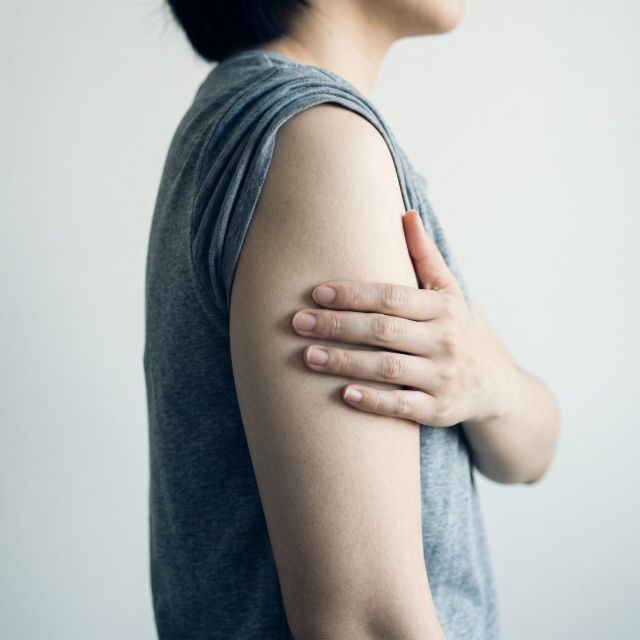
Frozen Shoulder
Stiffness and restricted movement in the shoulder joint.Read more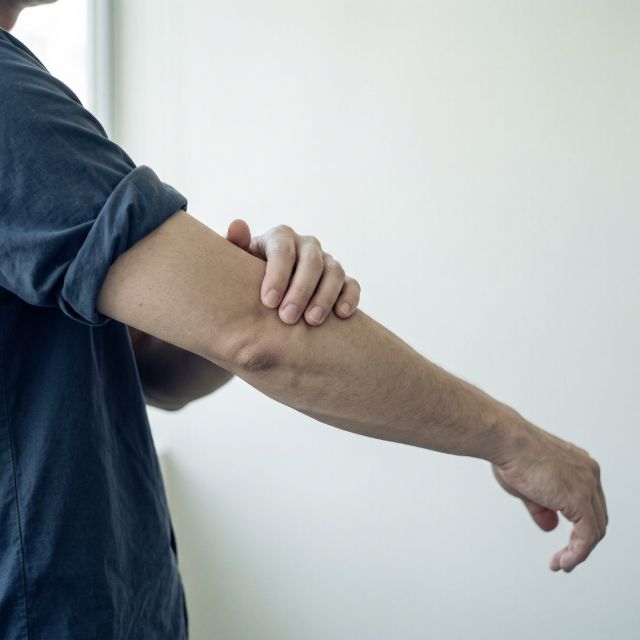
Tennis Elbow
Pain and tenderness on the outside of the elbow.Read more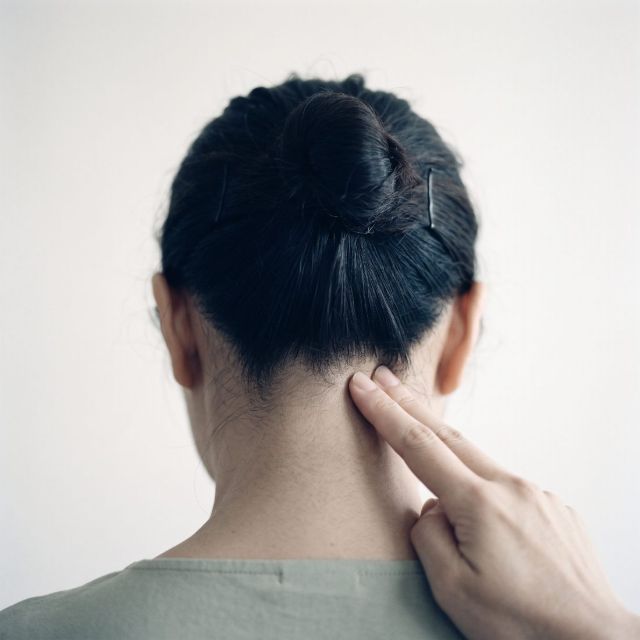
Neck Pain
Stiffness and pain often linked to desk work and posture.Read more
Posture & Sports Injuries
Postural imbalance and injuries from training or sport.Read more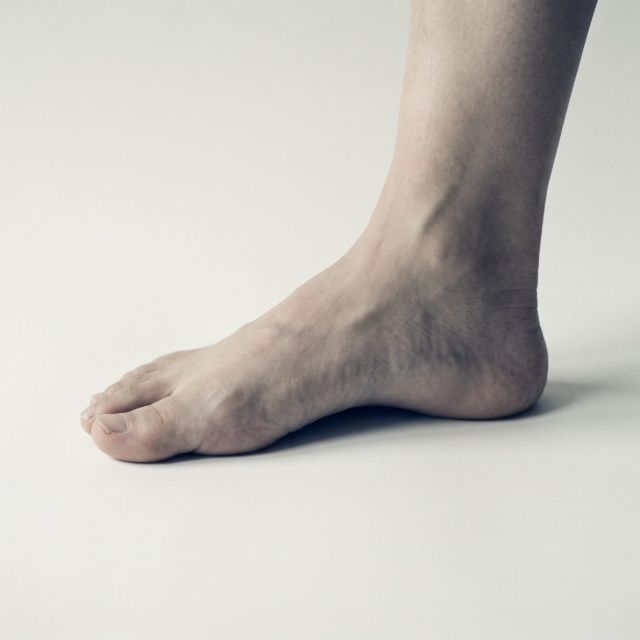
Plantar Fasciitis
Sharp heel pain, often worst with your first steps in the morning.Read more
FAQ
It is a form of instrument-assisted soft tissue treatment that uses a set of curved stainless steel instruments. They are glided over the skin to find areas that feel thickened or restricted and to treat them, usually combined with stretching and exercise.
Redness is common and usually fades within hours. Instrument work can sometimes leave small red spots or light bruising, which fade within a few days. Tell Dr. Ho if you bruise easily or take blood thinners, so the pressure can be adjusted.
It uses some similar strokes, but it is more targeted: it focuses on the tissues linked to your problem, found at your assessment, and is combined with joint treatment and exercise.
It may feel uncomfortable over tender areas, but it shouldn’t be painful. The pressure is adjusted as you go, so tell Dr. Ho if it is too much.
It is often weekly at first, tapering off as you improve, but it depends on your condition. Dr. Ho will discuss a plan with you after your assessment.
Message us on WhatsApp, or book a consultation to find out if this is right for you.