Condition
Low or collapsing arches, sometimes with foot, knee or back pain.
We’re closed right now. WhatsApp us and we’ll reply when we open.
- Registered Chiropractor 註冊脊醫
- Doctor of Chiropractic D’Youville College, USA
- Whampoa & Hung Hom Near Whampoa MTR
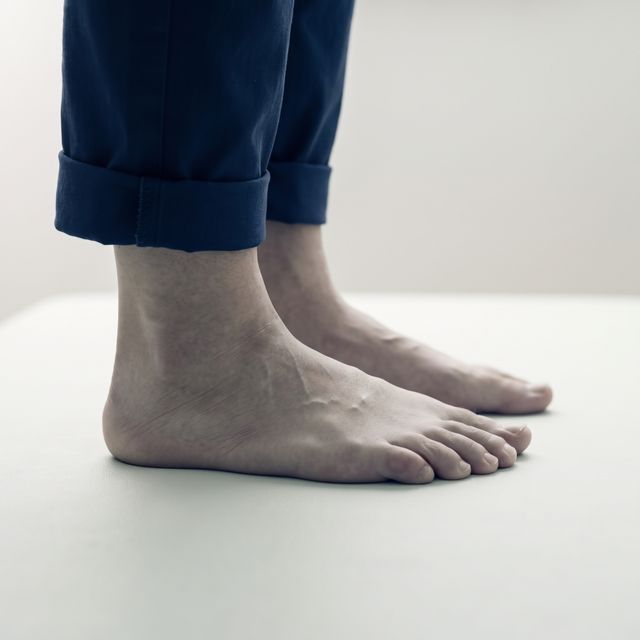
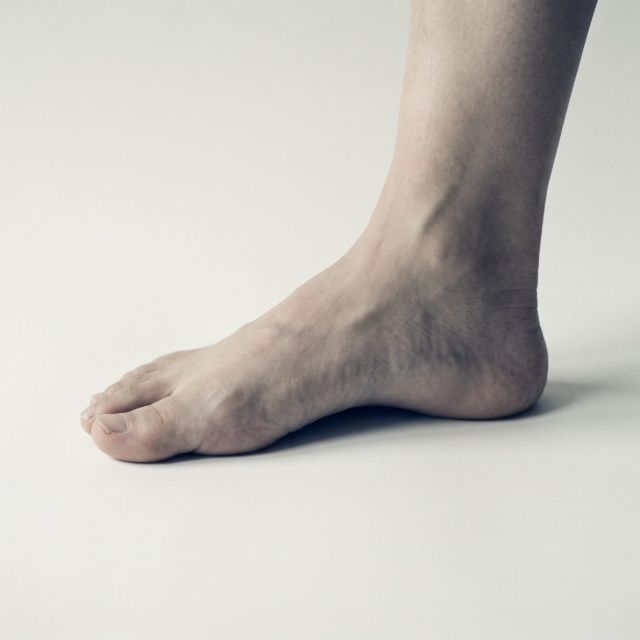
Flat feet means the arch on the inner side of the foot is low, or flattens when you stand, so most of the sole touches the ground. It is very common and often causes no problems at all: young children are naturally flat-footed, and many adults with flat feet never have pain. In some people, though, flat feet are linked to tired or aching feet, heel or arch pain, or strain further up at the shins, knees or hips. Treatment focuses on symptoms rather than the shape of the foot. A foot that flattens over weeks, especially with pain on the inner ankle, should be checked.
Key points
- Flat feet are common and often painless; treatment is only needed when they cause symptoms.
- Most flat feet are flexible: the arch reappears when you stand on tiptoe or sit down.
- Supportive shoes, insoles and foot and calf exercises may ease symptoms, but they don’t permanently change an adult’s arch.
- One foot that flattens over weeks, especially with pain or swelling on the inner ankle, needs an assessment.
The arch of the foot is formed by the bones of the midfoot and held up by ligaments, by the plantar fascia under the sole, and by muscles such as tibialis posterior, whose tendon runs behind the bony bump on the inside of the ankle and under the arch. Together they let the foot absorb shock as it lands and become a firm lever as you push off.
In a flexible flat foot, the arch flattens when you stand but returns when you sit or rise onto tiptoe. This is by far the most common type, and it often runs in families. In a rigid flat foot, the arch stays flat whatever you do, which may point to joined or stiff bones, arthritis or an old injury. Flat feet that develop in adulthood, often on one side, are most commonly caused by the tibialis posterior tendon becoming overloaded and weakened.
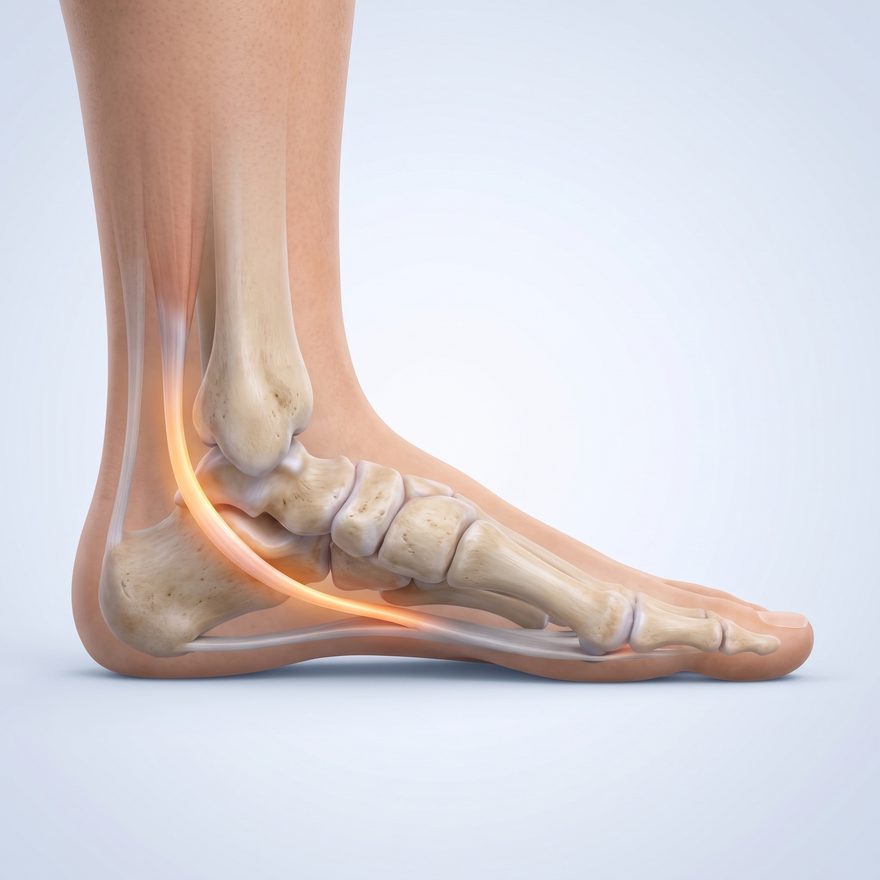
Many people with flat feet have no symptoms. When symptoms do occur, they usually build up with standing, walking or sport.
Common symptoms
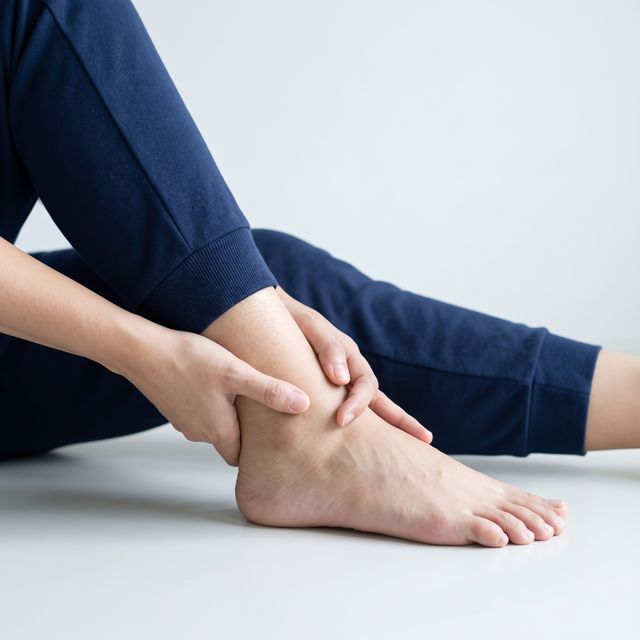
- Tired, aching feet after standing or walking for long periods
- Pain along the arch or in the heel
- Pain or swelling on the inner side of the ankle
- Shoes that wear down quickly on the inner edge
- Aching in the shins, knees or hips after activity
Types of flat feet
Flat feet are usually grouped like this:
- Young childrenFlat arches are normal until about six years old, and most arches develop by around ten. They rarely need treatment unless they are painful or stiff.
- Flexible flat feetThe arch flattens when standing but returns on tiptoe. Common in teenagers and adults, and often painless.
- Adult-acquired flat feetAn arch that collapses over time, often on one side, usually from tibialis posterior tendon problems. It needs assessment, as it can progress.
The shape of the foot alone doesn’t predict pain. How well the foot copes with your activities matters more.
Flat feet usually reflect the way a person’s feet are built, sometimes combined with changes over time.
- Family history: flexible flat feet often run in families
- Naturally flexible ligaments (joint hypermobility)
- Overload and weakening of the tibialis posterior tendon, most often in women over 40
- Higher body weight, diabetes and high blood pressure, which are linked to tendon problems
- An old ankle or foot injury, or arthritis in the foot
- Pregnancy, when ligaments loosen and body weight increases
Most children’s arches develop on their own by around ten years old, without special shoes or insoles.
These two simple checks show whether your arch is low and whether it is flexible. They can’t tell you whether your flat feet are causing your symptoms. Stop if either causes sharp pain.

Wet footprint test
Wet the soles of your feet and stand normally on a surface that shows a print, such as a dry floor tile or a piece of card. A typical print shows the heel, the ball of the foot and a narrow band along the outer edge. If almost the whole sole shows, including the inner arch, your arches are low when you stand.
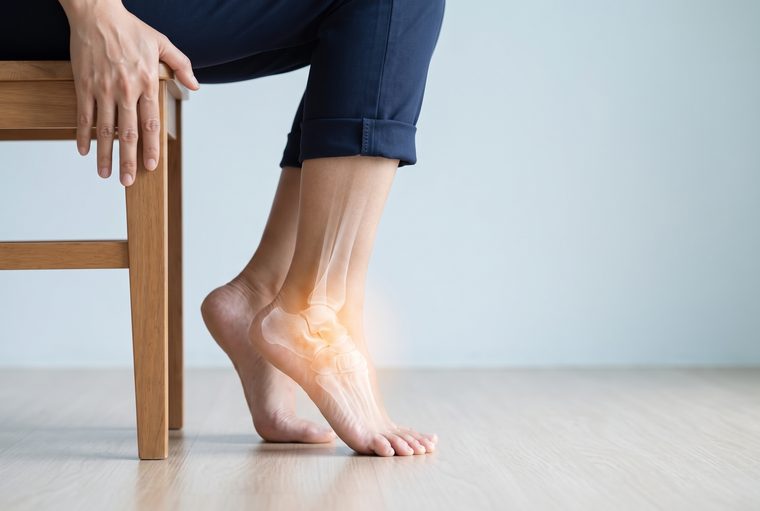
Tiptoe test
Sit on the edge of a chair with your feet on the floor and lift both heels, so your weight rests on the balls of your feet. If an arch appears on the inner side of the foot as the heels rise, the flat foot is flexible, which is the common type. If the arch stays flat, or if rising onto the toes of one foot while standing is clearly harder on one side, it is worth having your foot assessed.
Low arches on these checks are common and not a problem in themselves. See a healthcare professional if your feet are painful, if one foot has changed shape, or if a child’s flat foot is stiff or painful.
Flat feet are common, so they are often found alongside other foot problems. Finding the actual cause of the pain matters.
Painful flexible flat feet
- Where it usually hurts
- Along the arch, the inner ankle or the whole foot
- Other clues
- Tired, aching feet after standing; the arch returns on tiptoe
Tibialis posterior tendon problems
- Where it usually hurts
- Behind and below the inner ankle bone
- Other clues
- Swelling on the inner ankle; one arch slowly collapsing; difficulty rising onto tiptoe on that foot
Plantar fasciitis
- Where it usually hurts
- Under the heel
- Other clues
- Sharp pain with the first steps in the morning
Arthritis of the midfoot or ankle
- Where it usually hurts
- The top or middle of the foot, or the ankle
- Other clues
- Stiffness, bony lumps and pain that builds with walking, often in older adults
A rigid or painful flat foot in a child or teenager can be caused by bones that have grown together (tarsal coalition) and should be assessed by a doctor.
Further reading: Plantar fasciitis, Knee pain.
Flat feet are diagnosed by looking at and examining the feet, standing and moving.
Your history: Your symptoms, activities and footwear, any injuries, and whether the shape of one foot has changed.
Physical examination: Looking at your feet as you stand and walk, checking whether the arch is flexible, the strength of the tibialis posterior tendon, and your ankles, knees and hips.
Further tests: Usually not needed. If a rigid foot, a tendon problem or arthritis is suspected, Dr. Ho may recommend standing X-rays or an ultrasound or MRI scan, or refer you to a podiatrist or orthopaedic doctor.
Flat feet only need treatment when they cause symptoms. Treatment aims to ease pain and improve how the feet cope with your activities, not to change the shape of the foot.
Non-surgical treatment
- Supportive footwear: Shoes with a firm heel counter, good arch support and enough room for the toes. Replace worn-out shoes, especially if they have worn down on the inner edge.
- Insoles and orthotics: Arch-supporting insoles, ready-made or custom-made, may ease pain by supporting the foot while you wear them. They don’t permanently change the shape of an adult’s arch.
- Foot and calf exercises: Calf stretches, heel raises and exercises for the small muscles of the foot may help the foot support itself better and ease tiredness.
- Managing the load: Building up walking, running or standing time gradually, and keeping to a healthy weight, reduce the strain on the feet.
- Hands-on treatment: Soft tissue work for tight calves and foot muscles, and mobilisation of stiff joints, may ease discomfort in the short term.
Treatment prescribed by a doctor
- Medication, a brace or a boot: Pain relief may help in the short term. For a painful tibialis posterior tendon, a supportive ankle brace or a walking boot may be used for a period.
Surgery
- Tendon or bone procedures: Rarely needed. Generally considered only for severe, painful or worsening adult-acquired flat feet, or rigid flat feet, that haven’t improved with other treatment.

Dr. Ho first checks whether a tendon problem, a rigid foot or another cause needs further assessment, then plans treatment based on the findings. General information only — your plan is set after an in-person assessment.
- 01
Assess
Looking at your feet as you stand and walk, checking the arch, ankles, knees and hips, and your footwear.
- 02
Treat
Soft tissue care and joint mobilisation where helpful, and advice on footwear and whether insoles may help.
- 03
Rebuild
Exercises for the feet, calves and hips, built up gradually to match your daily activities or sport.
- 04
Refer
If a rigid foot, a worsening tendon problem or arthritis is suspected, you will be referred for imaging or to an orthopaedic doctor.
You can’t change the shape of your feet, but you can help them cope better with your activities.
- Choose supportive shoes for long periods of standing or walking, and replace them when they wear out.
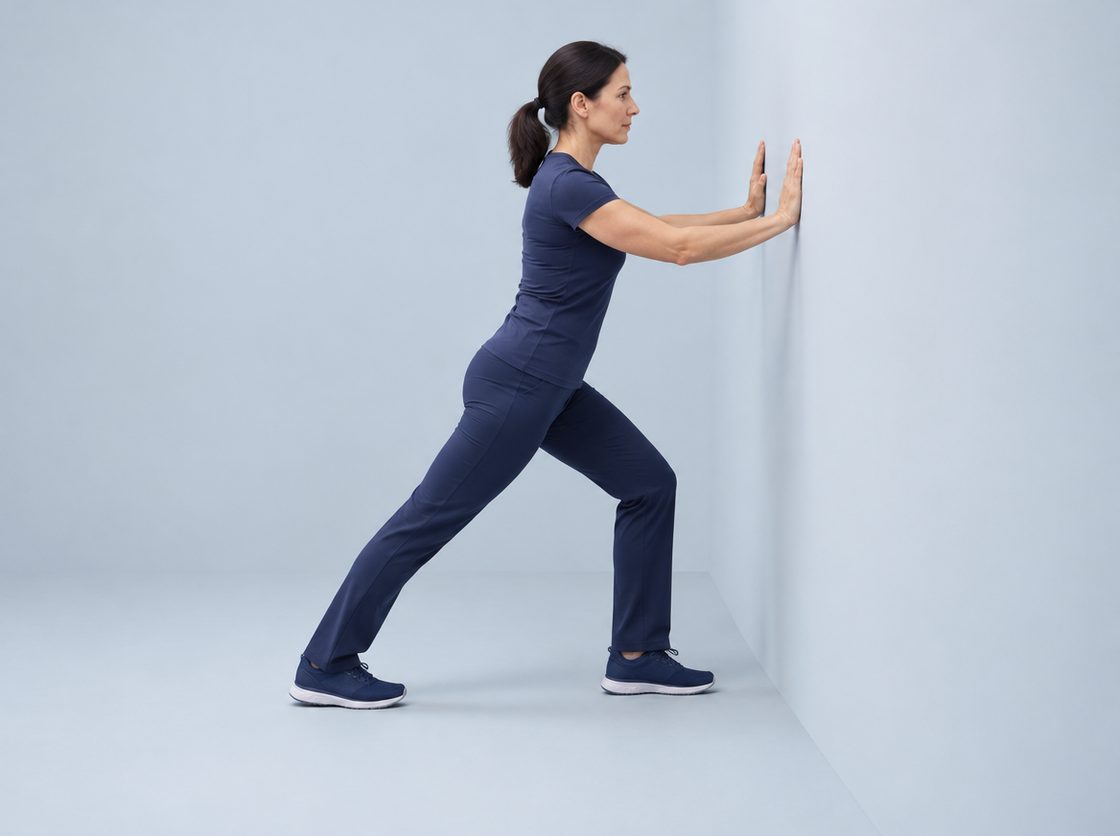
- Stretch your calves regularly, keeping the back heel on the floor, as tight calves increase the strain on the arch.
- Strengthen your feet and calves with heel raises and arch-lifting (short foot) exercises.
- Build up running, hiking or standing time gradually.
- Keep to a healthy weight to reduce the load on your feet.
- Let young children walk barefoot on safe surfaces; flat arches at this age are normal.
When to seek medical attention promptly
Seek medical attention promptly if any of the following apply:
- A rigid, painful flat foot in a child or teenager
- One foot flattening over weeks, with pain or swelling on the inner ankle
- Diabetes with a warm, swollen or changing foot, numbness, or wounds that don’t heal
- A foot that changed shape after an injury
- Severe pain, or pain that stops you walking
- Numbness, tingling or burning in the foot
In adults, the shape of the arch can’t be permanently changed with insoles, shoes or exercise, and many people with flat feet never need to change it. Treatment aims to ease symptoms and help the feet cope with your activities. Surgery is only considered for a small number of severe or worsening cases.
Arch-supporting insoles may ease pain and tiredness while you wear them, especially if you stand or walk a lot. Not everyone needs custom-made insoles; ready-made ones help many people. If symptoms persist, a custom-made orthotic may be considered.
Shoes with a firm heel counter, good arch support, a stable sole that doesn’t twist easily, and enough width for your toes. Try shoes on later in the day, with any insoles you use.
Usually not. Flat arches are normal in young children, and most arches develop by around ten years old without special shoes or insoles. Have your child checked if the flat feet are stiff, painful, affect only one foot, or stop them keeping up with other children.
They can play a part in some people by changing how the leg moves and absorbs load, but many people with flat feet have no pain. Knee or back pain usually has several causes, so it is worth having the whole picture assessed.
That depends on your policy terms. Cover for outpatient care, imaging, surgery and chiropractic treatment varies between policies, so check with your insurer before your visit. We are happy to provide receipts to support your claim.
Disclaimer
This page is general information only, not a diagnosis or treatment advice. If you have any symptoms, please consult a qualified healthcare professional.

Book a consultation with Dr. Ho, or message us on WhatsApp with any questions first.