Service
Gentle warmth and electrical stimulation, used alongside hands-on care and exercise to help ease pain.
We’re closed right now. WhatsApp us and we’ll reply when we open.

- Registered Chiropractor 註冊脊醫
- Doctor of Chiropractic D’Youville College, USA
- Whampoa & Hung Hom Near Whampoa MTR
Overview
Therapeutic ultrasound and electrotherapy are machine-based treatments, used alongside hands-on care and exercise, to help ease pain and make movement more comfortable.
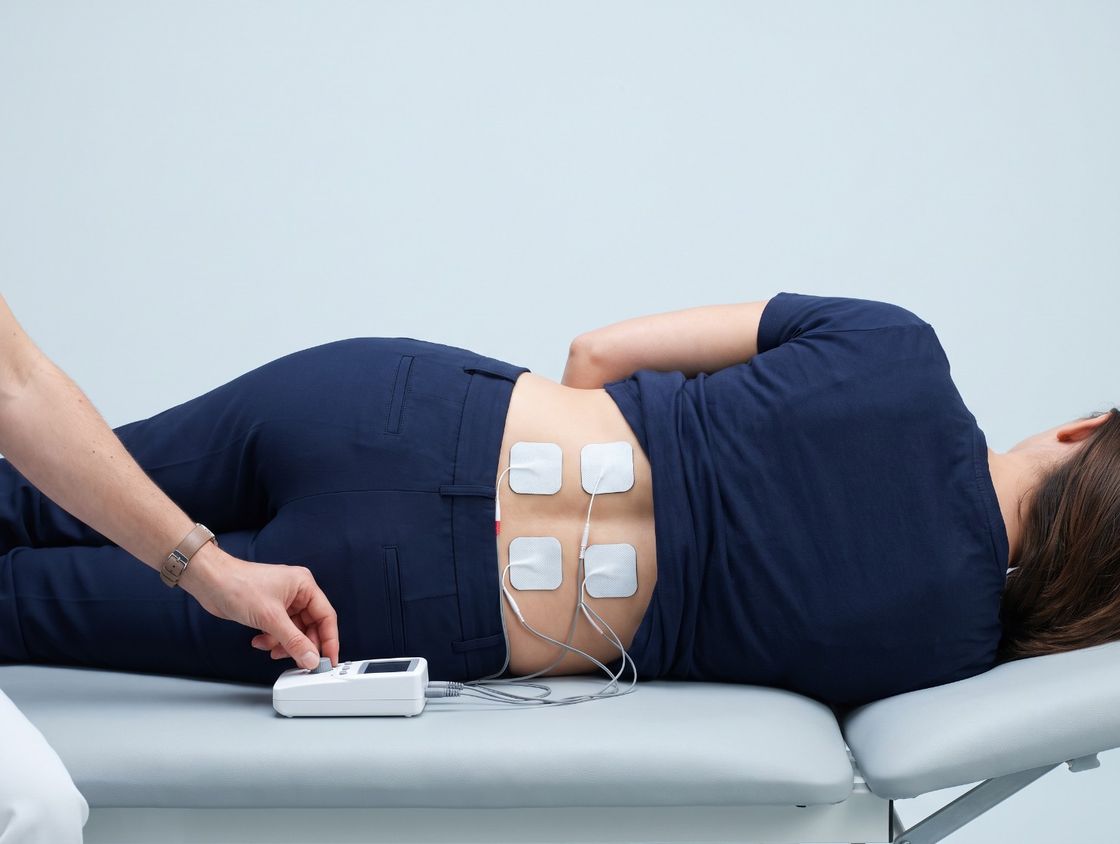
Therapeutic ultrasound uses high-frequency sound waves, delivered through gel with a handheld head, to produce gentle warmth in the soft tissue beneath the skin. Electrotherapy passes a low-level electrical current through small pads on the skin: TENS (transcutaneous electrical nerve stimulation) is used to ease pain, while muscle stimulation makes muscles contract gently.
Research on these treatments is limited and its results are mixed, so they are used to support other care rather than on their own. For example, easing pain for a while can make it more comfortable to move and do your exercises.
Who it’s for
Dr. Ho checks whether it is suitable for you at your first visit.
It may suit people with
- Short-term pain relief, to help you move and exercise more comfortably
- Tight or painful muscles in the neck, shoulders or back, alongside hands-on care
- Soft tissue strains and sports injuries, alongside rehabilitation
- Muscles that are hard to switch on after an injury, using muscle stimulation alongside exercise
It may not be suitable, or needs extra care, if you have
- A pacemaker, defibrillator or other implanted electrical device
- Pregnancy (not used over the abdomen, pelvis or lower back)
- Cancer, or a tumour in or near the area to be treated
- A blood clot or a suspected one, or an infection in the area
- Reduced feeling in the skin, or broken or irritated skin in the area
- Epilepsy, for electrotherapy
The pads and the ultrasound head are also kept away from the eyes and the front of the neck. Tell Dr. Ho about any implanted devices, health conditions or pregnancy before treatment.
What to expect
General information only — your exact treatment is set after an in-person assessment.
Check first: Dr. Ho checks that the treatment suits you and tests the feeling in your skin over the area.
Ultrasound: Gel is applied and a handheld head is moved slowly over the area for a few minutes. You may feel mild warmth, or nothing at all.
Electrotherapy: Small sticky pads are placed on the skin, and the current is turned up slowly until you feel a strong but comfortable tingling or pulsing. It should never hurt.
Alongside other care: It is usually combined with hands-on treatment and exercise in the same visit, and you can carry on with your day straight afterwards.
Treatment time and settings depend on the area and your condition. Let us know straight away if anything feels too hot, sharp or uncomfortable.
Good to know
These are supporting treatments, not the main part of your care.
What it may help with
- TENS may ease pain for some people while it is being used
- May help muscles relax, or help weak muscles contract, alongside exercise
- May make moving and exercising more comfortable
What it can’t do
- They don’t treat the cause of pain on their own
- Pain relief from TENS usually wears off soon after it is switched off
- Research results are mixed, so they don’t replace exercise and hands-on care
Commonly used for
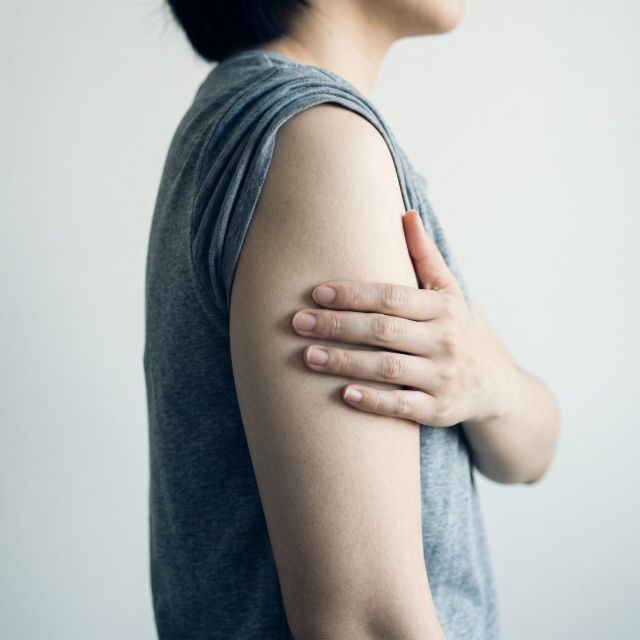
Frozen Shoulder
Stiffness and restricted movement in the shoulder joint.Read more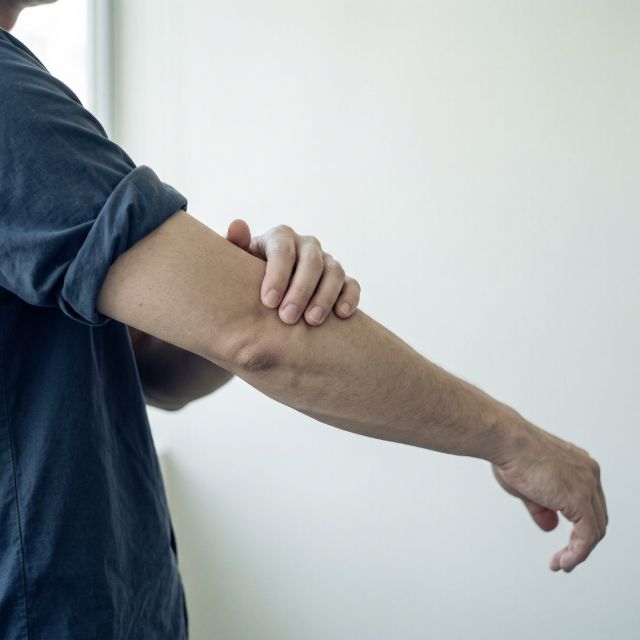
Tennis Elbow
Pain and tenderness on the outside of the elbow.Read more
Posture & Sports Injuries
Postural imbalance and injuries from training or sport.Read more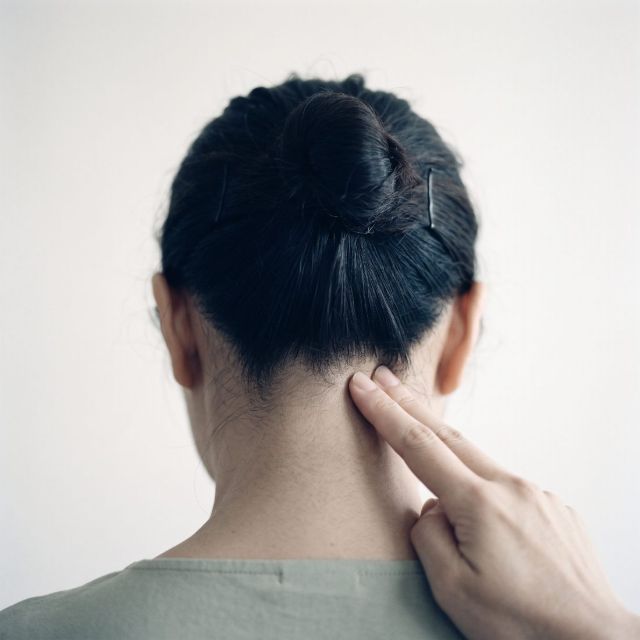
Neck Pain
Stiffness and pain often linked to desk work and posture.Read more
Sciatica
Shooting pain, numbness or tingling down the leg.Read more
FAQ
No. Ultrasound usually feels like mild warmth, or nothing at all, and electrotherapy feels like tingling or pulsing. Settings are adjusted to your comfort, so tell Dr. Ho if anything feels too strong, hot or sharp.
Ultrasound usually takes a few minutes and electrotherapy a little longer, as part of a visit that includes other treatment.
Home TENS units are widely available, and some people find them helpful for short-term pain relief. Ask Dr. Ho first, so he can check it suits you and show you where to place the pads. Don’t use one while driving, in the bath or shower, or while asleep.
Research suggests their effect is modest and usually short-lived. Exercise and hands-on care do more of the long-term work, so these treatments are used to support them.
Side effects are uncommon when the checks above are followed. Electrotherapy pads can occasionally irritate the skin, and the ultrasound head is kept moving so that no single spot gets too warm.
Message us on WhatsApp, or book a consultation to find out if this is right for you.